Why East Bay Retrofit Construction Delivers Long-Term Structural Stability
Complete Building Solutions for All Undertakings
Comprehensive building support are necessary for the proper handling of any building project. They enable seamless integration across all phases, guaranteeing clear communication and collaboration among teams. This approach not only reduces delays but also improves compliance with budgets and timelines. As stakeholders seek higher quality outcomes, understanding the different solutions available becomes increasingly critical. What particular factors contribute to a project's success, and how can they be successfully executed?
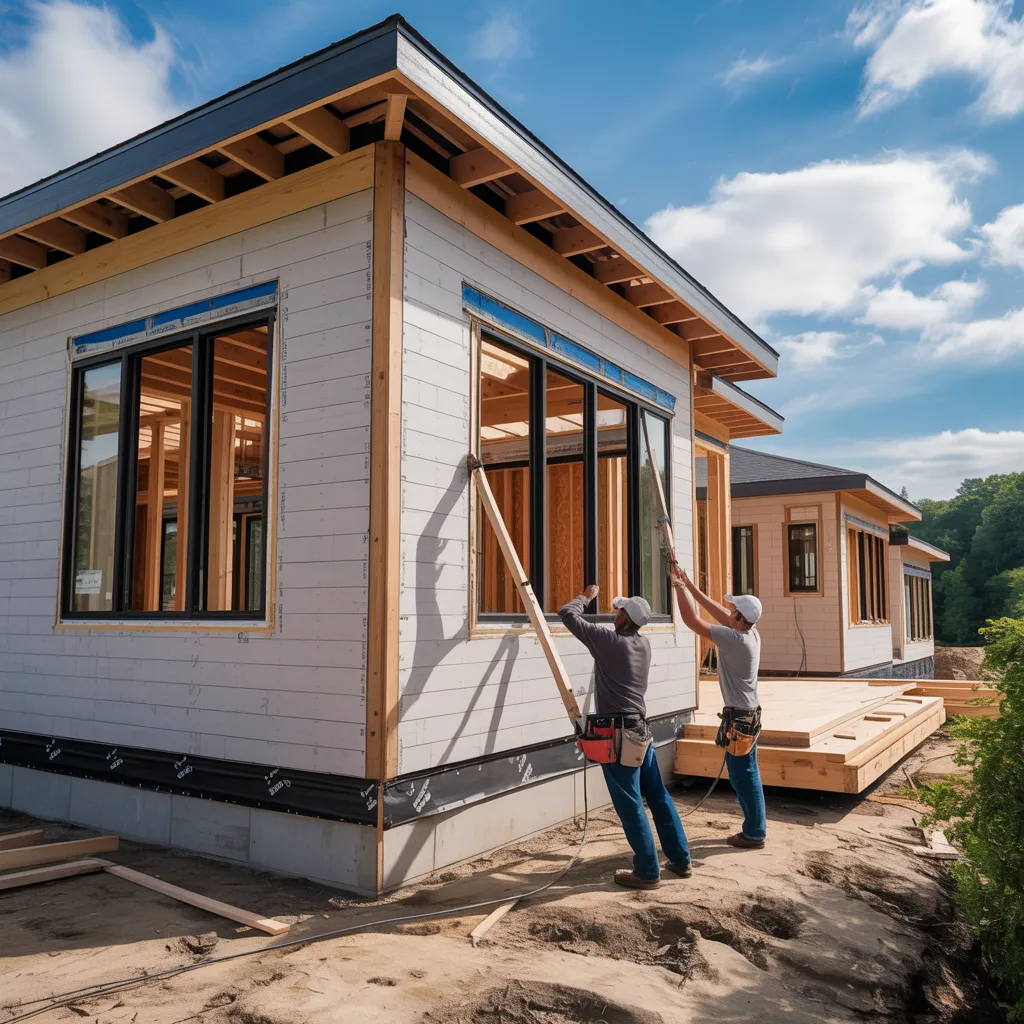
Why Extensive Construction Solutions Are Important
Thorough building solutions are crucial because they optimize the construction workflow, ensuring that all stages of work are coordinated efficiently. These offerings include a range of tasks, such as strategy, development, and execution, which support the final outcome of an project. By coordinating multiple groups and assets, extensive construction services reduce the likelihood of confusion and setbacks.
Moreover, they encourage adherence to timelines and budgets, addressing potential issues proactively. This level of organization creates a cooperative environment, enabling stakeholders to communicate openly and efficiently.
Additionally, comprehensive offerings ensure compliance with local regulations and safety standards, minimizing risks associated with construction activities. Overall, the incorporation of thorough construction services improves project quality, resulting in durable and sustainable outcomes. In an industry where precision matters, such services deliver the necessary framework for achieving client satisfaction and meeting project goals.
Fundamental Construction Offerings for Homeowners
Property owners attempting to improve their living spaces can benefit greatly from essential construction services designed for their specific needs. These services encompass a selection of offerings, comprising remodeling, renovations, and repairs, which enable homeowners to transform outdated areas into modern, functional spaces. Kitchen and bathroom remodels often yield considerable returns on investment, enhancing both aesthetics and utility.
Furthermore, exterior maintenance such as roofing and siding repairs ensure the home stays protected and visually attractive. Garden upgrades and outdoor living enhancements establish inviting settings for leisure and socializing.
Homeowners can take advantage of energy-efficient upgrades, which lower utility costs while encouraging sustainability. By hiring qualified experts, homeowners can traverse the complexities of construction projects with ease, confirming adherence to local regulations and timelines. Overall, these vital offerings empower homeowners to accomplish their visions, ultimately improving property value and quality of life.
Important Services for Commercial Construction
In the sector of commercial construction, skilled project oversight and superior supply chain selection play critical functions. These services ensure that projects are completed on time and within budget while maintaining high standards. Understanding their importance can lead to more successful construction outcomes.
Project Planning Mastery
While traversing the complexities of commercial construction, effective project management expertise becomes critical to guarantee timely delivery and cost control. Skilled project managers play a crucial role in orchestrating various components of a construction project, including timeline management, resource allocation, and coordination among stakeholders. They employ sophisticated techniques to reduce vulnerabilities and respond to unexpected obstacles, ensuring that projects stay aligned with objectives. By harnessing technology and data analytics, project managers can enhance decision-making processes, optimizing operational performance and productivity. Moreover, their ability to promote teamwork among contractors, architects, and clients is vital for aligning expectations and achieving project goals. Ultimately, strong project management expertise serves as the foundation of successful commercial construction projects, driving projects from conception to completion with precision.
Superior Material Acquisition
Quality material procurement constitutes a crucial aspect in the sphere of commercial construction, directly determining project durability and overall success. Efficient procurement encompasses picking high-quality materials that address specific project requirements while respecting budget constraints. This process often necessitates establishing strong relationships with trustworthy suppliers to assure prompt delivery and consistency in quality. Moreover, familiarity with local regulations and green practices proves essential in sourcing decisions. By stressing quality materials, construction organizations can bolster structural integrity and reduce long-term maintenance costs. All in all, emphasis on quality material sourcing not only supports a project's immediate goals but also boosts its longevity and strength in a competitive market.
Picking the Optimal Construction Services for Your Project?
When choosing building contractors, it is crucial to establish project requirements precisely to ensure alignment with goals. Evaluating the qualifications of potential service providers further improves the likelihood of a successful outcome. Thorough evaluation of such elements can result in a more efficient and effective building process.
Set Project Parameters in Explicit Detail
Properly articulating project requirements is critical for determining the most appropriate construction services. This entails identifying distinct goals, schedules, cost estimates, and required materials. A clearly stated work scope helps guarantee that all parties comprehend mutual understanding. Moreover, documenting compliance rules or site-specific conditions can help prevent schedule delays and miscommunication during construction. By establishing defined criteria at the beginning, project leaders can relay their needs to potential service providers, enabling smarter decision-making. At the end of the day, meticulous documentation of scope requirements streamlines selection and establishes the groundwork for successful execution while limiting the risk of costly revisions later in the process.
Review Service Provider Competence
How can project managers guarantee they select the most qualified building contractors? Evaluating the qualifications of potential contractors is critical. This procedure starts with reviewing each contractor's portfolio, which displays past projects and applicable background. Construction leaders should also confirm licenses, certifications, and insurance to confirm compliance with industry standards. Collecting references and client testimonials can offer understanding into a provider's dependability and workmanship. Additionally, conducting interviews allows construction leaders to assess communication skills and comprehension of assignment specifications. Comparing bids not only on price but also on scale, schedules, and standards can additionally aid in decision-making. In the end, a comprehensive evaluation of service provider expertise lays the groundwork for successful project execution and fulfillment.
Optimizing Your Building Project Efficiently
To attain efficiency in construction projects, it is vital to adopt a structured methodology that minimizes delays and maximizes resource allocation. Strong dialogue among team members is critical, guaranteeing that everyone is aligned with project goals and timelines. Leveraging project management software can simplify workflows, allowing for instant information and task tracking.
Moreover, executing a incremental strategy allows teams to hone in on targeted project phases, reducing the probability of overlapping tasks that can produce confusion. Continual progress assessments and changes influenced by performance metrics facilitate discovering emerging obstacles ahead of time.
Setting clear roles and accountabilities encourages accountability, compelling teams to meet deadlines without sacrificing quality. Furthermore, undertaking proactive risk management readies teams for unpredictable challenges, facilitating swift responses that keep projects on track. By integrating these strategies, construction projects can achieve substantial efficiency, minimizing costs and enhancing overall outcomes.
Building A Development Undertaking With Sustainable Practices and High-Quality Results
Adopting sustainable practices in construction not only enhances work standards but also minimizes environmental impact. By integrating eco-friendly materials and methods, builders can substantially decrease resource waste and energy usage. This method not only complies with regulatory requirements but also resonates with environmentally conscious clients.
Employing green materials, such as bamboo or recycled metals, supports durability while cutting carbon footprints. Additionally, deploying energy-efficient technologies, like solar panels and advanced insulation, delivers long-term operational savings and improved building performance.
Engaging sustainability-certified consultants further elevates project standards, maintaining compliance with environmental criteria.
Additionally, developing a waste handling system during the construction phase can facilitate procedures, curtailing costs and environmental degradation.
In the end, a pledge toward sustainable practices in construction produces high-quality projects that connect with both stakeholders and the community, building a legacy of conscientious building practices. Such resolve not only boosts the reputation of construction firms but also benefits a healthier planet.
Often Posed Questions
What Are the Projected Durations for Building Endeavors?
Common timelines for construction projects vary widely, commonly extending from a few months to several years. Determinants of duration include scale, complexity, permitting processes, weather conditions, and equipment and staff details availability, impacting overall completion time.
What Should I Do About Sudden Construction Delays?
To manage unexpected construction delays, one should assess the situation, communicate with stakeholders, adjust timelines, and explore solutions. Adaptability and forward-thinking strategies can mitigate impacts and maintain project momentum despite setbacks.
What Permits Are Necessary for Building Projects?
Various licenses are needed for building endeavors, including structural, power, water, and land use permits. The specific requirements depend on local regulations, project scope, and site, requiring consultation with municipal officials for compliance and guidance.
What Methods Are Used to Administer Budget Allocation Across Building Projects?
Project budgeting is managed through constant monitoring of expenses, adapting forecasts based on actual costs, and maintaining communication among stakeholders. This guarantees harmony with financial goals and swift identification of potential overruns or savings.
What Safety Requirements Are Adopted on Project Sites?
Construction sites incorporate various safeguarding practices, featuring consistent safety workshops, deployment of personal protective equipment, clear signage, site inspections, response procedures, and adherence to requirements to minimize risks and guarantee the protection of personnel.